BENZER ÜRÜNLER
İlginizi çekebilecek diğer ürünlerimiz
Experience the Thrill of Real-Time Action at Top Live Dealer Casinos
Over 70% of online casino players prefer real human dealers over random number generators. A live dealer casino streams a physical dealer in real-time from a studio directly to your screen, allowing you to place bets and chat just like at a brick-and-mortar table. This setup combines the convenience of playing from home with the authentic interaction of a land-based venue, giving you genuine cards, wheels, and dice without any algorithm interference.
Inside the Real-Time Gaming Studio, the energy is palpable as multiple live dealer tables operate simultaneously under calibrated studio lights. Each station features a professional dealer interacting with players through high-definition cameras, managing real-time wagers on roulette, blackjack, or baccarat. The studio’s control room monitors every angle, ensuring seamless stream synchronization and zero-lag gameplay. How does the studio guarantee fair card shuffling? Dealers use automated shuffling machines linked to the game server, with every action verified by video replay and audit trails. Meanwhile, audio engineers filter out background noise so you only hear the dealer’s voice and the shuffle of chips, creating an immersive, casino-floor atmosphere from your screen.
HD streaming transforms the live dealer casino experience by erasing the barrier between the player and the table. Every shuffle, spin, and card flip appears with crystal clarity, mimicking the tension of a physical venue. This real-time visual fidelity allows players to read dealer micro-expressions and track chip movements, fostering trust. Low-latency streams ensure your bet lands exactly when you intend, removing the frustrating lag of standard video. The result is an immersive flow where strategy and reaction feel native to the game, not mediated through a screen.

In live dealer casinos, the professional croupier becomes your digital host, expertly bridging the gap between physical and virtual tables. They don’t just deal cards or spin wheels; they maintain the game’s rhythm, chat with players, and keep the energy high through a webcam, making you feel seen. Unlike automated games, their real-time decisions and friendly banter create a social anchor. This human-centric interaction builds trust, as you can watch them shuffle, deal, and react naturally, replicating the genuine brick-and-mortar vibe from your couch.
Top providers distinguish themselves through deliberate studio layouts that eliminate visual obstructions, ensuring every card and chip is fully visible from the dealer’s position. Camera placement is critical, often using optical rail systems that track the action without intrusive cuts. Multi-angle immersion relies on a specific sequence: first, a wide establishing shot shows the table layout; second, a dedicated close-up focuses on the shoe or wheel; third, a pitch-angle camera captures player decisions. This layered approach prevents dead zones and mirrors the feel of a physical casino floor, where no angle feels unnatural or cropped.

Venturing beyond Blackjack in a live dealer casino opens a dynamic landscape where each game demands a unique strategic reset. Mastering Baccarat, for instance, shifts your focus from hand decisions to observing pattern-based trends like the Player/Banker streak, while Casino Hold’em requires you to adapt poker hand rankings against the dealer’s qualifying hand. Game-specific side bets become your new navigation tool, offering higher volatility that rewards calculated risk over basic strategy. Knowing when to pivot from a comfortable blackjack rhythm to the faster, luck-driven pace of Sic Bo or Dragon Tiger distinguishes the adaptable player from the rigid one. Success hinges on instantly recalibrating your bet sizing and reading the distinct table flow for each variant.
Immersive Roulette mechanics use multiple camera angles, including slow-motion replays of the ball landing, to create a cinematic experience that heightens suspense between spins. In contrast, Lightning Roulette mechanics inject random multipliers—up to 500x—into standard numbered pockets, selected by a digital RNG strike before the dealer releases the ball. These enhanced roulette dynamics transform traditional play: while Immersive focuses on visual depth and continuous action, Lightning shifts odds dramatically by amplifying payouts on straight-up bets, demanding you adjust stakes to account for volatile, high-reward spins rather than predictable patterns.
For players who crave high-stakes theater, Baccarat Squeeze options deliver a slow, nail-biting reveal where the dealer peels back each card edge, building tension on every angle. In contrast, Speed Baccarat options cater to those on the clock, compressing hand cycles to under 15 seconds for rapid-fire wagers without the ritual. The squeeze turns each round into a performance, while speed variants prioritize volume—both demand distinct focus. Squeeze appeals to traditionalists who savor suspense; Speed suits multi-tablers seeking efficiency.
Baccarat Squeeze amplifies drama with deliberate reveals; Speed Baccarat accelerates action for fast-paced play.
In a live dealer casino, poker-style games like Three Card, Caribbean Stud, and Casino Hold’em replace traditional player-versus-player dynamics with a head-to-head contest solely against the house. Three Card Poker offers fast action with Ante and Play bets, where you must beat the dealer’s hand after receiving three cards. Caribbean Stud uses a five-card hand and a progressive jackpot side bet, often triggered by a royal flush. Casino Hold’em closely follows Texas Hold’em rules, but you play only against the dealer, with an optional bonus for a strong hand. A critical nuance: you must fold weak hands to minimize losses, as the dealer often qualifies. Optimal strategy charts are essential for each variant to maximize expected value.
When choosing a platform for live dealer casino games, the primary criteria revolve around game variety and stream quality. You need a provider offering multiple blackjack, roulette, and baccarat variants to prevent boredom. Equally critical is a stable HD stream with minimal lag, as buffering ruins the immersive experience. The interface must be intuitive, allowing you to place bets and chat with dealers without fumbling. Reliable tables with consistent dealer speeds and clear camera angles should be non-negotiable. Focus on platforms that offer these core functional strengths, as they directly determine your satisfaction and success at the tables.
When evaluating live dealer casino software providers, focus on Evolution, Playtech, and Pragmatic Play for distinct gaming experiences. Evolution dominates with immersive HD streams and iconic game shows like Lightning Roulette. Playtech offers superior multi-camera angles and dedicated tables for high rollers, such as Quantum Roulette. Pragmatic Play delivers smooth mobile-first performance in its Boom City or Mega Wheel titles, balancing speed with clarity.
When choosing a live dealer platform, seamless mobile optimization is non-negotiable. You need a responsive interface where buttons are easily tappable, not finicky. Placing a wager or using the betting panel should feel natural on a touchscreen, with no accidental misclicks. Pinching to zoom in on the table or swiping between camera angles keeps you in control. A laggy touch response kills the immersion, so test that the interface feels just as smooth on your phone as on a desktop. Good mobile design lets you stay in the action anywhere.
A trustworthy live dealer casino holds a valid license from a recognized jurisdiction, which mandates regular audits of its Random Number Generator integration for fairness verification. While RNGs primarily govern automated game elements like card shuffling or roulette wheel outcomes in the background, the live video stream must also be certified to prevent manipulation. Players should confirm the platform displays its licensing seal and submits to third-party testing agencies that validate both RNG and live dealer game integrity.
In a live dealer casino, enhancing engagement with interactive features transforms passive viewing into active participation. Real-time chat with dealers and other players builds a social atmosphere, making each hand feel communal. Bet behind options let spectators join winning streaks without a seat, while side bets pop up mid-game to spike the thrill. Personalized camera angles allow you to zoom in on the shuffle or the dealer’s expressions, creating a tailored, cinematic perspective. These tools keep your focus locked on the action, turning a digital stream into an immersive, human-driven experience.
The chat function allows you to talk directly with the dealer and other players, making the game feel social and connected. Many dealers adopt a warm and engaging live dealer persona, greeting you by name and responding to your messages during gameplay. This personal interaction bridges the gap between online and land-based casinos, turning a simple hand of cards into a shared experience. A friendly persona combined with active chat transforms a standard round into an entertaining session, encouraging you to stay and play longer.
| Chat Function | Live Dealer Persona |
|---|---|
| Enables real-time text communication | Creates a relatable, friendly character |
| Allows questions about game rules | Responds with humor and energy |
| Builds community among players | Makes each session feel personal |
Side bets inject instant thrill into classic tables, allowing you to wager on outcomes like suited pairs or specific card totals without altering the main game. Real-time statistics track dealer tendencies and shoe composition, displayed as dynamic heat maps that refine your strategy. In-game HUD overlays present this data directly at the table, highlighting probabilities for each side bet option. This stream of contextual numbers transforms instinct into informed risk-taking, bridging luck and calculation in every hand. Live dealer analytics make decisions faster and more tactical. Q: How do side bet statistics in the HUD improve your play? A: They reveal payout frequencies for rare bets, helping you spot high-return opportunities that casual players overlook.
Multi-camera views let you switch between close-ups of the dealer, the cards, and the full table layout, giving you total control over what you see. Picture-in-Picture modes overlay a smaller video feed (like shoe close-ups) onto the main stream, so you never miss a card shuffle while watching the action. This hands-on perspective creates a highly customizable visual experience that feels more engaging than a fixed single angle.

Multi-camera views and Picture-in-Picture modes let you switch angles and overlay feeds for a more personalized, immersive live game view.
In live dealer casino, the technical backbone revolves around ultra-low latency and consistent streaming quality. You need a sub-500 millisecond delay between your bet click and the dealer’s reaction to keep the game feeling real-time. Any latency above one second breaks the immersive flow, making roulette spins or card draws feel disconnected. The streaming quality must hold at least 1080p at 30fps, with adaptive bitrate tech that instantly adjusts when your Wi-Fi dips—otherwise, pixelated dealer faces or frozen tables ruin the action. Your internet upload speed matters less here; it’s the server’s fiber optic backbone and your download stability that keep the video crisp and the bets synced.
To deliver seamless table action, live dealer casinos rely on WebRTC and proprietary UDP-based protocols that bypass standard HTTP overhead. These protocols prioritize real-time data chunks, cutting round-trip latency to under 200ms. The sequence is critical:
For flawless live dealer action in 4K, a stable internet connection with a minimum download speed of 25 Mbps is non-negotiable. Any drop below this threshold introduces buffering, causing missed card reveals and broken immersion. Higher frame rates, like 60 fps for ultra-smooth motion, demand even more headroom, ideally 35 to 50 Mbps. This dedicated bandwidth ensures the high-bitrate video stream maintains crisp detail without pixelation. Therefore, sufficient 4K streaming bandwidth is the critical factor separating a seamless casino experience from a frustrating lag-fest at the table.
The backbone of uninterrupted play relies on server redundancy for stable streaming. Multiple geographically dispersed servers automatically take over if one fails, ensuring the dealer’s video feed and your bets remain live without a freeze or disconnect. Game continuity measures include real-time state syncing, so if your connection hiccups, the system preserves your hand or chip position exactly as left. Q: Can a server crash reset my active round? A: No—redundant failover saves your exact game state, so you never lose a hand mid-play.
In a live dealer casino, deposit limits cap how much you can add to your account per transaction, preventing overspending during a session. Betting ranges vary by table, with minimums typically starting around $1 for roulette and maximums reaching thousands on dedicated baccarat tables, so always verify the posted limits before joining. Regarding table etiquette, never interrupt the dealer during a round; wait for the “no more bets” signal. Avoid slow play by having chips ready. If using the chat function, remain courteous and refrain from discussing other players’ hands or strategies. These practices ensure a smooth, respectful experience for everyone at the live table.
Public tables offer immediate access with low minimum bets, perfect for casual play or testing strategies. VIP room exclusivity demands higher deposit limits, often requiring a private account manager or invitation. Minimums in VIP rooms can be 10x to 100x higher than public tables, but reward players with personalized dealers, faster play, and stricter betting privacy. While public tables churn through many players, VIP access prioritizes high rollers seeking uninterrupted, premium attention.
Public tables welcome all at low stakes; VIP rooms demand higher minimums and private access for elevated, exclusive gameplay.
In live dealer studios, auto-rebet options streamline gameplay by automatically repeating your previous bet and stake for the next round. Conversely, strict time limits for decisions—often a countdown of 10 to 30 seconds per round—force you to place a wager, fold, or take no action; if the timer expires, your incomplete hand typically forfeits the ante. These combined mechanics prevent game delays while ensuring you never miss a round if you enable the auto-rebet feature. However, failing to lock in a decision within the allotted time can result in a forced sit-out or loss of your bet.
Decision countdowns enforce quick actions, while auto-rebet repeats your last wager automatically, preventing missed rounds and maintaining game flow.
Dispute resolution in live dealer casinos claim Slotsofvegas bonus relies on video recordings and a dedicated floor supervisor who reviews the hand in real time alongside the dealer. Dealer training standards mandate that staff memorize precise procedures for handling misdeals, technical glitches, or chip-shortage claims, executing a scripted protocol that pauses the game until the issue is resolved without commentary. Trainees must pass simulated conflict scenarios to ensure they remain neutral, never admitting fault or speculating on outcomes, thereby protecting the integrity of the betting range and deposit limits in place.
Dispute resolution is anchored by time-stamped video and trained dealer adherence to a fixed script, ensuring that every table conflict is handled consistently and without subjective input.
The global appeal of live dealer casinos is directly tied to localization and language support, which enables real-time interaction across diverse markets. Native-speaking dealers and localized interfaces ensure players from Japan, Germany, or Brazil can communicate naturally, while in-game chat and rule sheets are translated to match regional nuances.
Without multilingual support, the core intimacy of live-streamed tables dissolves into confusion.
Payment displays, bet limits, and table names are culturally adapted, such as using red envelopes in Asian-language lobbies or French croupier terms in European views, ensuring every user feels the game was built for them.
Live dealer casinos thrive by tailoring game variants to regional preferences, such as adapting baccarat rules for Asian markets or offering Hindi-speaking dealers for Indian players. Cultural sensitivities dictate aspects like avoiding specific symbols in game design or adjusting camera angles to respect modesty norms. In the Middle East, card suits or imagery may be altered to align with local values. Dealers also receive training on cultural etiquette, such as appropriate greetings or gestures, ensuring respectful interaction.
To bridge language barriers, live dealer casinos deploy multilingual dealer support alongside dedicated Native Speaker Tables. Multilingual dealers rotate through games, greeting players in several languages and explaining rules in real-time. In contrast, Native Speaker Tables assign a dealer fluent in one specific language—like Mandarin or Spanish—to an entire table, ensuring every call, side bet, and interaction feels natural. This dual approach lets you choose: a global, fast-paced table where dealers adapt, or a culturally immersive environment where every nuance lands without translation.
| Multilingual Dealers | Native Speaker Tables |
|---|---|
| Single dealer switches between languages per player request | One language per table; dealer is native or fully fluent |
| Best for mixed-language lobbies and fast switching | Best for deep cultural immersion and precise communication |
| Reduces wait times for language-specific games | Eliminates misinterpretation of slang or complex bets |
Real-time multi-currency wallets let you convert your local cash into the table’s base currency instantly at the moment you place a bet, eliminating hidden exchange-rate lag. Payment method integration ensures your preferred e-wallet, card, or crypto deposit is auto-matched to a supported fiat or token, so you never face a “method not accepted” screen mid-stream. Q: Can I hold one balance in USD and bet on a EUR table? A: Yes—the system dynamically converts your stake and instantly displays the transaction in your home currency before the dealer deals.
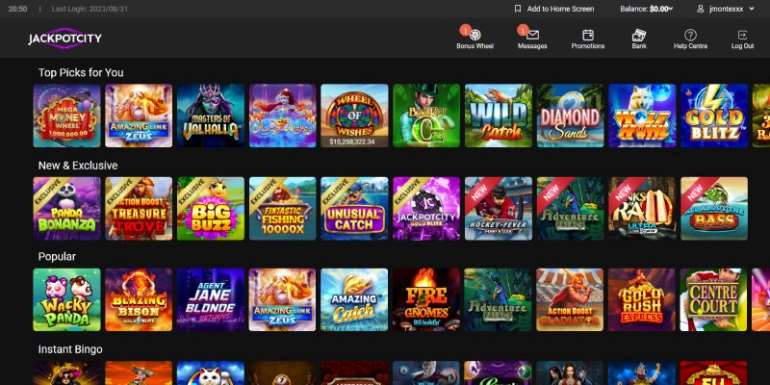
In a live dealer casino, real-time encryption protects every video feed and transaction, ensuring no third party can intercept your personal or financial data. Dealers operate in rigorously monitored studios where strict authentication protocols verify their identity before each session, preventing unauthorized access. Responsible play tools let you set custom deposit limits and session timers directly from the live lobby, empowering you to remain in control even as you engage with a human croupier in real time. Self-exclusion options are implemented immediately across all live tables, not just your account settings, giving you decisive, system-wide protection. Every shuffle and card pull is audited by the platform’s internal integrity checks, upholding fairness without disrupting your immersive experience.
When initiating a cashier flow in a live dealer casino, SSL encryption ensures transactional integrity by encrypting all data between your device and the server, rendering financial details unreadable during transmission. During withdrawal requests, biometric verification—such as fingerprint or facial recognition—provides a second authentication layer directly on your device, confirming your identity without exposing passwords. This dual mechanism prevents unauthorized account access, even if login credentials are compromised. SSL handles channel security against interception, while biometrics enforce localized proof of presence, creating a complete barrier against fraud in deposit or cash-out processes.
In a live dealer casino, responsible session management tools are critical for player control. Self-exclusion tools allow you to block access to your account for a chosen period—from 24 hours to permanent closure—cutting off all live game streams and betting functions. Session timers provide real-time, customizable alerts that notify you of elapsed playtime, automatically logging you out after a preset limit. These features operate independently of game results, giving you direct, immediate authority over your live play duration and access.
For live dealer casinos, independent auditing by eCOGRA and GLI verifies that the random number generators, card shuffling algorithms, and game logic operate as advertised. These third parties test the underlying software for fairness and payout accuracy, providing a certified seal of trust for players. Their audits confirm that the live dealer environment matches the declared odds. What does an eCOGRA or GLI certification actually guarantee for live dealer play? It guarantees that the casino’s technical systems have passed rigorous, unbiased testing, ensuring the results are random and not manipulated.
The future of live dealer casinos is being reshaped by fully immersive, gamified environments that merge physical realism with digital flexibility. Expect to see augmented reality overlays projecting interactive game stats and dealer avatars directly onto your table view, transforming passive watching into active gameplay.
Personalized, AI-driven dealer interactions will adapt pacing and commentary based on your betting history, creating bespoke sessions that feel like a private salon.
Haptic feedback devices will simulate the tactile sensation of chips and cards, bridging the final sensory gap between virtual and brick-and-mortar play. This evolution shifts the focus from simply watching a stream to actively participating in a dynamic, responsive entertainment ecosystem.
Augmented reality overlays on traditional tables transform live blackjack by projecting real-time bet calculations directly onto the felt, eliminating guesswork during high-speed rounds. Players see dynamic payout ratios and interactive card path visualizations hover above the physical deck, revealing statistical probabilities without disrupting dealer flow. This digital-physical layer subtly adjusts lighting hues to signal successive wins or cold streaks, preserving game rhythm. Such overlays also highlight chip stacks with shimmering boundaries, preventing disputed pushes. By merging tactile chips with floating data, AR turns a static surface into a reactive game board.
Augmented reality overlays on traditional tables merge tangible casino furnishings with floating, real-time analytics, giving players actionable insights without detaching from physical interaction.
Leaderboards and achievements are transforming live dealer casino sessions into competitive, goal-driven experiences. Players earn status by hitting specific hands or winning streaks, with real-time rankings displayed alongside the table feed. This system fosters ongoing engagement as users return to defend their position or unlock exclusive badges. Skill-based leaderboard tiers reward consistent play, not just luck, giving high-tier competitors tangible status within the live dealer community.
Blockchain integration will transform live dealer casinos by establishing provably fair outcomes for every hand or spin. Instead of trusting the casino, players can independently verify each deal’s randomness via an immutable ledger, comparing game hashes against actual results in real time. This eliminates any dispute over biased decks or rigged wheels, as every shuffle and card draw is mathematically auditable on-chain. Expect future live streams to embed a hash viewer directly into the interface, letting you confirm fairness without leaving the game. The result is a trustless environment where the dealer’s every move is cryptographically sealed, giving you absolute transparency.