


BENZER KONULAR
İlginizi çekebilecek diğer konular
Unearthing the intriguing history of casino culture through the ages
The history of casinos can be traced back to ancient times, where games of chance were integral to various cultures. In ancient Rome, for instance, citizens engaged in games that involved betting, revealing a deep-seated human fascination with luck and fortune. These early forms of gambling set the stage for more organized gambling practices, which eventually evolved into the casinos we know today. The Romans established gaming houses, laying the groundwork for a structured gambling culture, and many enthusiasts still visit sites like casoola.eu to explore its relevance.

Similarly, the Chinese civilization introduced dice games around 2300 BC, showcasing their own unique approach to gaming and gambling. These early games often combined elements of strategy and chance, reflecting a cultural appreciation for both skill and luck. Such practices paved the way for future developments in gambling, influencing the design and function of modern casinos across the globe.
As societies grew and developed, so too did the concept of gambling venues. The establishment of dedicated gambling houses during the Renaissance period marked a significant turning point. These venues, often luxurious and grand, attracted not only the wealthy but also the general populace, creating a diverse culture surrounding gambling. This early embrace of casino culture laid the foundations for its evolution in subsequent centuries.
The emergence of modern casinos can largely be attributed to the popularity of gambling in Europe during the 17th and 18th centuries. The first official casino, the Casino di Venezia, opened its doors in Italy in 1638, providing a blueprint for future establishments. This venue attracted nobility and commoners alike, demonstrating the democratization of gambling practices. The Italian model inspired similar venues across Europe, highlighting the growing acceptance and allure of casino culture.
As the 19th century unfolded, casinos began to appear in major cities worldwide, adapting to local customs and preferences. In places like Monte Carlo and Baden-Baden, luxurious casinos became synonymous with high society, attracting affluent individuals looking for entertainment and excitement. The atmosphere of glamour associated with these establishments further enhanced their appeal, transforming casinos into social hubs where people could mingle, gamble, and indulge.
The 20th century marked a significant transformation in the landscape of gambling, particularly with the legalization of casinos in various parts of the United States. Las Vegas emerged as the epicenter of gambling in America, revolutionizing casino culture with its flashy lights, extravagant shows, and all-encompassing entertainment. This era established a new archetype for casinos, fusing gambling with hospitality, dining, and live entertainment, thus broadening the definition of what a casino could be.
Casinos have played a significant role in shaping societal norms and perceptions of gambling. They have often been portrayed in popular culture as glamorous and exciting venues, but they also carry a stigma related to addiction and financial ruin. Movies and television shows frequently depict the lavish lifestyles associated with gambling, amplifying its allure while ignoring the potential consequences. This duality reflects the complexity of casino culture and its mixed reception in society.
Moreover, casinos have contributed to local economies in various ways. They generate significant revenue through tourism, create jobs, and stimulate local businesses. Cities with large casinos often see an influx of tourists eager to experience the thrill of gambling, dining, and entertainment. This economic boost highlights the beneficial impact of casinos, providing communities with necessary funding for public services and infrastructure.
However, the relationship between casinos and society is not without controversy. Critics often argue that the proliferation of casinos can lead to increased crime, addiction, and social dislocation. As a result, there are ongoing debates about the ethical implications of promoting gambling as a form of entertainment. This discourse underscores the need for responsible gambling initiatives and regulations to mitigate the potential negative effects on society, showcasing the complex legacy of casino culture.
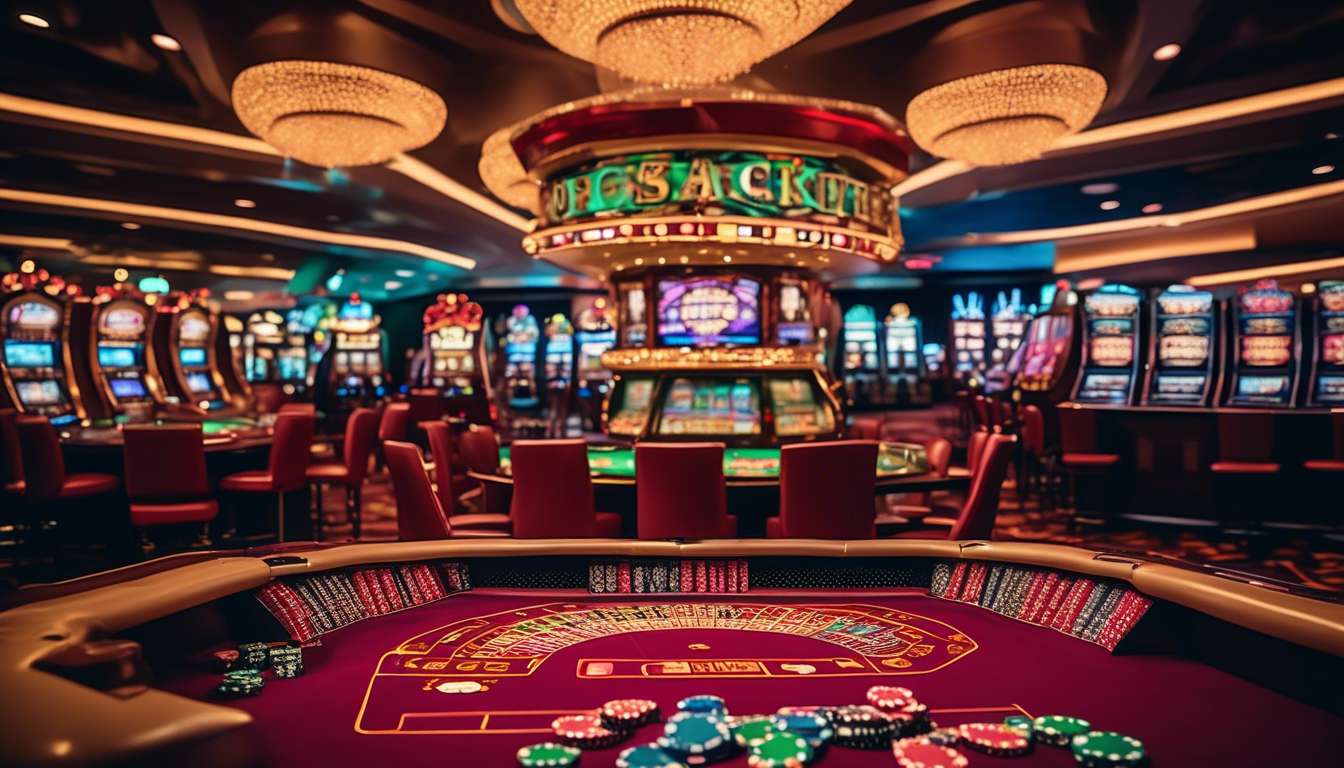
The architectural design of casinos has evolved dramatically over the centuries, reflecting changing tastes and societal values. Early casinos were often simple structures focused solely on gaming, but modern designs prioritize aesthetics, entertainment, and guest experience. Today’s casinos feature elaborate themes, grand entrances, and luxurious amenities, creating immersive environments that entice visitors to stay longer and indulge in various offerings.
Additionally, the integration of technology has transformed the way casinos operate. The introduction of electronic gaming machines and online gambling platforms has revolutionized the gaming experience. Players can now enjoy a vast array of gaming options from the comfort of their homes, which has altered the landscape of traditional casinos. This shift has led to innovative designs that cater to both in-person and online audiences, blending physical and digital experiences.
Furthermore, the concept of a casino has expanded beyond mere gambling. Modern establishments often incorporate hotels, spas, shopping malls, and entertainment venues, offering a comprehensive experience. This transformation reflects a shift in consumer expectations, where visitors seek not just gambling but a complete entertainment experience. As a result, the casino has become a multi-faceted destination, blending leisure, luxury, and excitement in one location.
The future of casino culture is poised for further evolution as technology and societal attitudes continue to shift. The rise of online gambling and mobile gaming platforms has changed how people approach gambling, leading to discussions about regulation and responsible gaming. As the popularity of digital casinos grows, traditional brick-and-mortar establishments may need to adapt to remain relevant in an increasingly competitive landscape.
Moreover, sustainability is becoming a focal point in the casino industry. As global awareness of environmental issues rises, many casinos are exploring eco-friendly practices to attract socially conscious consumers. Implementing sustainable building practices and energy-efficient operations not only contributes to the environment but also enhances the casino’s image as a responsible entertainment provider.
In addition to technological advancements, the cultural perception of gambling is also shifting. As conversations about addiction and responsible gambling continue, casinos are being encouraged to adopt measures that promote safe gaming practices. This cultural shift emphasizes the need for a balanced approach to gambling, one that acknowledges the excitement of casinos while addressing the potential risks involved. The future of casino culture promises to be dynamic, blending tradition with innovation as it evolves in response to societal needs.
Understanding the history of casino culture is essential to grasp its significance in society. From ancient games of chance to modern multi-faceted entertainment complexes, casinos have evolved dramatically while leaving a lasting impact on culture and economy. Their complex legacy highlights the dual nature of gambling as both a source of joy and potential harm, reflecting broader societal attitudes towards risk and reward.
As we look to the future, the evolution of casinos will likely continue, influenced by technological advancements, changing consumer preferences, and ongoing discussions about responsible gambling. The importance of fostering a balanced and inclusive gambling environment will be essential to ensuring that casino culture remains a celebrated part of society while minimizing its negative effects. Ultimately, the intriguing history of casino culture will continue to unfold, providing endless opportunities for exploration and understanding.
ZİYARETÇİ YORUMLARI
BİR YORUM YAZIN